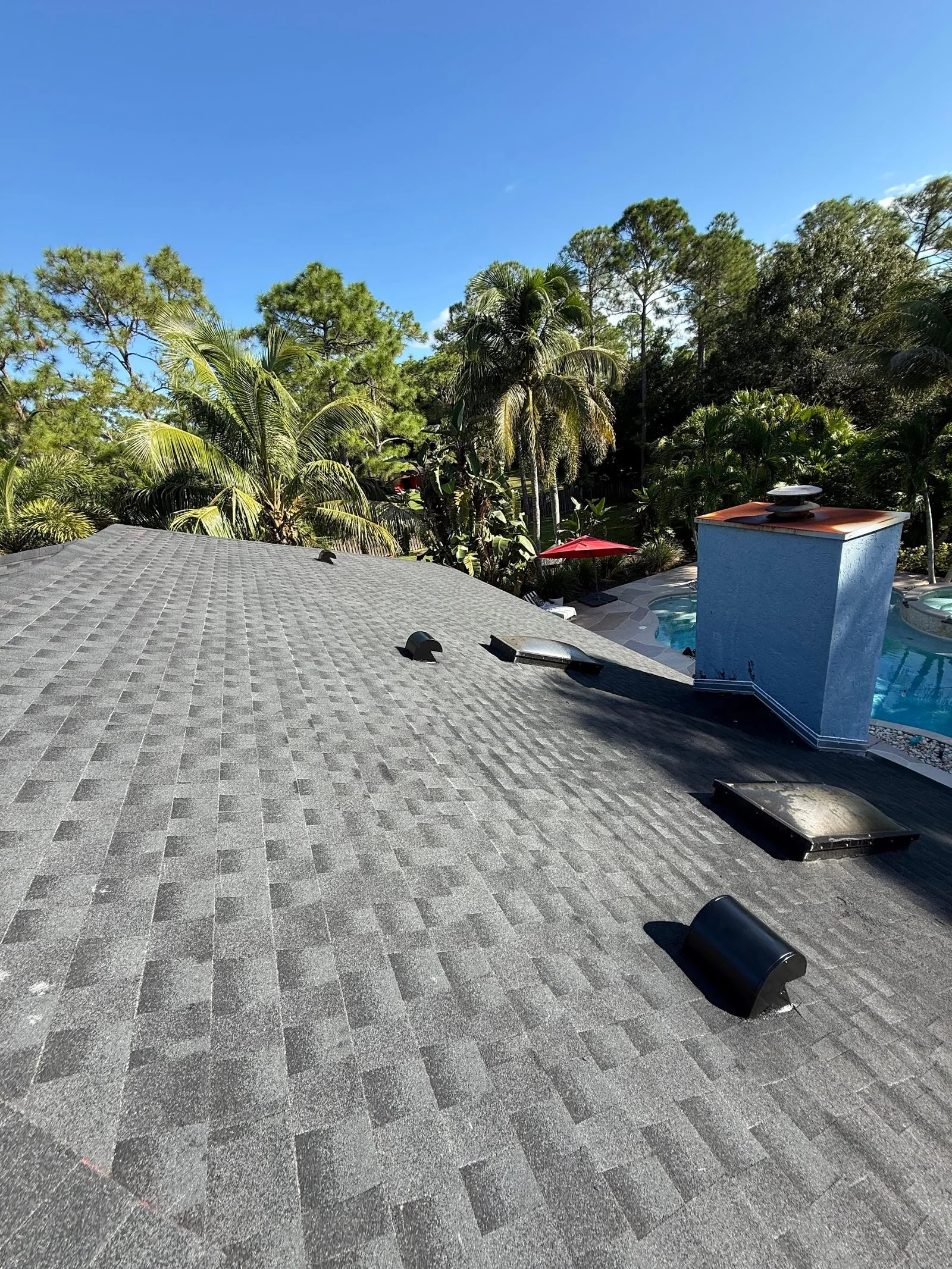
Tile roofing is the most common roofing material on South Florida homes, and for good reason. Both concrete and clay tile handle the heat, humidity, and hurricane-force winds of Broward County better than most alternatives. They last decades, require little maintenance compared to asphalt shingles, and add significant curb appeal and resale value.
But concrete tile and clay tile are not the same product. They differ in price, weight, appearance, and how they perform over time in Florida's specific climate. If you are replacing a tile roof or building new, understanding these differences helps you make a smarter long-term investment.
What They Have in Common
Before getting into the differences, it is worth understanding what makes both options attractive for Florida. Both concrete and clay tile are non-combustible, which is relevant to insurance ratings. Both carry Class A fire ratings. Both are highly resistant to mold, rot, and insect damage. Both perform well against wind when properly installed with the right fastening system, and both can achieve Florida Building Code compliance for High-Velocity Hurricane Zones when paired with approved underlayments and fastening schedules.
Either material will outperform asphalt shingles in lifespan by a significant margin in Florida's conditions. Both are considered premium roofing products.
Concrete Tile: The Most Popular Choice in Broward County
Concrete tile dominates the Florida market because of one simple reason: it costs less than clay while offering comparable durability and a very similar look. For most South Florida homeowners, it is the default tile roofing choice.
Cost
Concrete tile typically costs 20 to 40 percent less than clay tile per square foot of installed material. In Broward County, you can expect a concrete tile roof replacement to run roughly $18,000 to $30,000 for a typical single-family home, though the final number depends on roof size, pitch, and whether structural reinforcement is required. Clay tile on the same home would generally add $6,000 to $12,000 to that cost.
Weight
Concrete tile is heavier than clay. A standard concrete tile weighs approximately 9 to 12 pounds per square foot. Clay tile runs about 6 to 9 pounds per square foot depending on the profile. The difference matters because your roof structure has to support the load. Before installing either material on a home that previously had asphalt shingles, a structural engineer or experienced roofing contractor should assess the roof deck and framing to confirm it can handle the added weight. Homes originally built with tile roofs are typically already engineered for the load.
Appearance and Color
Concrete tile comes in an enormous range of profiles (flat, low-profile S-curve, high-barrel) and colors. Because the color is applied as a coating, it can fade over time with UV exposure. In South Florida, where UV intensity is among the highest in the continental United States, color fading on concrete tile is a common complaint after 10 to 15 years. Some manufacturers apply a slurry coat that extends the color life, but eventually the tile will fade toward the underlying gray of the concrete. Recoating is possible but adds maintenance cost.
Durability and Lifespan
With proper installation and regular inspection, concrete tile roofs in Florida typically last 30 to 50 years. The tiles themselves are durable, but the underlayment beneath them has a shorter lifespan. In South Florida, underlayment degradation is often the primary reason a tile roof needs replacement: the tiles themselves are fine, but the secondary water barrier below them has failed. This is why it is important to inspect your tile roof every two to three years rather than assuming the tiles are intact means the roof is watertight.
Clay Tile: The Premium Option
Clay tile is the original tile roofing material, and in South Florida, it carries a certain prestige associated with Mediterranean and Spanish Colonial architectural styles. It costs more, but for homeowners in certain neighborhoods or with specific aesthetic goals, the premium is justified.
Cost
Clay tile is more expensive primarily because manufacturing it requires higher-temperature kiln firing and the raw material is more costly than concrete aggregate. Installation is similar to concrete tile, but clay tiles require more careful handling because they are more brittle during the installation process. Labor costs can be slightly higher as a result.
Weight
Despite being the premium product, clay tile is actually lighter than concrete tile in most profiles. High-barrel clay tile can run 7 to 9 pounds per square foot, making structural reinforcement less commonly required compared to concrete tile. If your home's roof structure is a concern, clay tile may actually be the more practical option from a structural standpoint.
Appearance and Color Retention
This is where clay tile clearly outperforms concrete. Because clay tile is fired at extremely high temperatures, the color goes through the body of the tile rather than existing only as a surface coating. Clay tile does not fade. A terracotta clay tile installed 30 years ago looks essentially the same as it did on installation day. If color consistency over the life of the roof matters to you, especially for a home where the roof is highly visible, clay tile is the superior choice.
Clay tile is also available in a narrower range of colors, which is both a limitation and a benefit depending on your perspective. The classic terracotta, buff, and dark brown tones are authentic to the material. If you want a convincing traditional Spanish or Mediterranean look, clay tile delivers it in a way that painted concrete tile cannot fully replicate.
Durability and Lifespan
Clay tile is exceptionally durable. Properly installed clay tile roofs last 50 to 100 years in Florida conditions. The clay itself is essentially inert and does not degrade from UV, moisture, or temperature cycling. As with concrete tile, the limiting factor in a clay tile roof's lifespan is typically the underlayment rather than the tile material itself. Individual broken or cracked tiles need to be replaced, which requires having matching replacement tiles available.
Availability of Replacement Tiles
One practical consideration with clay tile is sourcing replacement tiles when individual pieces crack or break. If your tile profile was discontinued, matching replacement tiles can be difficult to find. This is less of a concern with widely used concrete tile profiles, which are typically easier to source locally in Broward County. If you install a clay tile roof, keep a small inventory of extra tiles from the original run for future repairs.
Florida Insurance Considerations
Both concrete and clay tile receive favorable treatment from Florida insurers compared to asphalt shingles, primarily because of their superior wind resistance and non-combustibility. Homes with tile roofs typically qualify for wind mitigation credits on their insurance premium when a wind mitigation inspection is completed.
Some insurers in Florida now place age-related restrictions on concrete tile roofs, requiring replacement when the roof reaches a certain age even if the tiles themselves appear intact. This is because the underlayment beneath older tile roofs has typically degraded. If you are purchasing a home with an older concrete tile roof or shopping for homeowners insurance, be aware that the roof age may affect insurability. Clay tile roofs are sometimes treated more favorably because of their known longevity, though this varies by insurer.
Side-by-Side Comparison
| Feature | Concrete Tile | Clay Tile |
|---|---|---|
| Cost (installed) | Lower (20-40% less) | Higher |
| Weight | Heavier (9-12 lbs/sqft) | Lighter (6-9 lbs/sqft) |
| Color retention | Fades over 10-15 years | Does not fade |
| Lifespan (Florida) | 30-50 years | 50-100 years |
| Color range | Very wide | More limited |
| Replacement tile availability | Easier to source locally | May require advance planning |
Which One Should You Choose?
If budget is the primary consideration and you want an excellent, long-lasting tile roof that meets Florida Building Code and will dramatically outperform asphalt shingles, concrete tile is the right choice for most Broward County homeowners. The color fading is manageable, the material is readily available, and the savings over clay are real.
If you are investing in a premium home, plan to stay in the property for decades, are replacing clay tile with clay tile (matching existing profiles), or simply prioritize authentic aesthetics and long-term color consistency, clay tile justifies the higher cost. The material will likely outlive the ownership period of most homeowners, which also adds measurable resale value in the right neighborhoods.
Either way, the quality of the installation matters more than the material choice. A properly installed concrete tile roof will outperform a poorly installed clay tile roof every time. Choose a licensed, experienced tile roofing contractor in Broward County and confirm they have specific experience with the tile type you are selecting.
Get a Free Tile Roof Estimate in Broward County
Qualitech Roofing Services installs both concrete and clay tile roofs throughout Broward County. We can inspect your current roof, evaluate your structural requirements, and give you a clear comparison of both options with real numbers. Call us at (754) 326-9233 or schedule your free inspection online.
Qualitech Roofing Services
Free Estimate for Concrete or Clay Tile in Broward County